01
Inspection first
Roof void, walls and subfloor checked to find how rodents are getting in.

Rat Removal in Melbourne means finding where rats are getting in, clearing the infestation and sealing the building so they cannot return. We handle rats in roofs, rats in walls and dead rat smell across Toorak, Brighton, Kew and the inner east. If you have heard scratching in the ceiling overnight, book a same-day inspection and we will tell you exactly what you are dealing with.
Roof void, walls and subfloor checked to find how rodents are getting in.
You see what we found and the plan before any work starts.
Gaps proofed with steel mesh and sealant, not just bait.
Lockable, tamper-resistant stations placed with kids and pets in mind.
Rat Removal in Melbourne is the inspection, trapping, baiting and proofing work that clears a rodent infestation from a building and stops it restarting. We start with a full roof void and subfloor inspection using inspection mirrors and thermal imaging cameras, then set snap traps, live catch traps and lockable bait stations in the runs rats actually use. Droppings are removed, contaminated insulation is bagged out, and every entry point wider than a ten-cent coin is sealed with steel wool, copper mesh, expanding foam or cement mortar.
Melbourne homes get hit hardest between April and September, when overnight temperatures drop and rats move from gardens and laneways into roof voids and wall cavities. Weatherboard houses in Hawthorn and Kew, interwar brick in Camberwell and Glen Iris, and terrace conversions in Cremorne all have gaps around eaves, downpipes and subfloor vents. If you have found rat droppings in the pantry or heard noise in the ceiling, professional rat removal services Melbourne wide start with a proper inspection rather than a box of bait from the hardware shop.

You book online and we arrange a time, usually same day. The technician walks the property with a torch, inspection mirror and thermal imaging camera, checking the roof void, subfloor, eaves, garage and garden. This inspection takes 30 to 45 minutes on a typical Melbourne home and tells us the species, the size of the problem and where they are entering.
We show you photographs of droppings, gnaw marks and entry points, then give you a fixed price for treatment and proofing. No pressure and no surprise line items later. If the job only needs trapping and not full proofing, we will tell you that instead of selling the bigger package.
Depending on the situation we use snap traps, live catch traps or lockable bait stations loaded with APVMA approved rodenticide bait blocks. Traps go along walls and in roof voids where rats travel, not in the middle of open floor. Most treatments take two to four hours on site, and we set the equipment so pets and children cannot reach it.
Once activity drops, we seal the entry points. Steel wool packed tight into gaps, copper mesh over larger openings, expanding foam behind trim and cement mortar at subfloor vents. This is the stage that stops the next lot getting in, and it is the reason our customers do not contact us back every winter.
We return seven to fourteen days later to check traps, remove carcasses, collect droppings and confirm activity has stopped. If bait stations are staying in place, we tell you the schedule. You get a written summary of what was found, what was done and what to watch for.
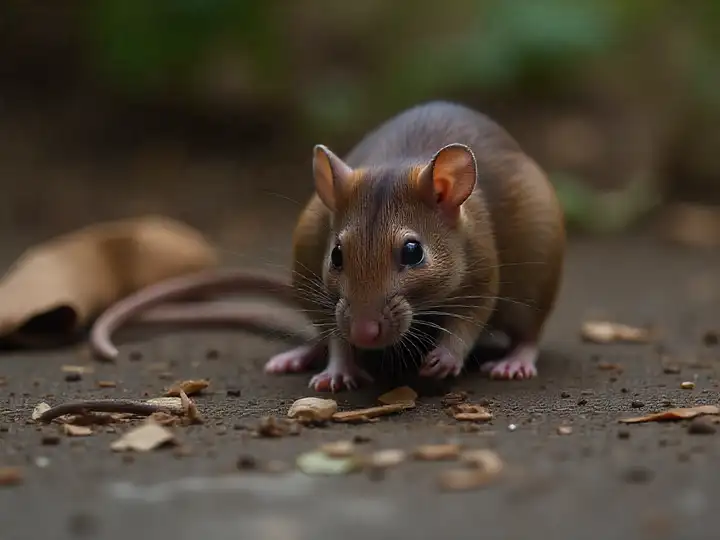
Used to find nesting sites, carcasses and activity inside wall cavities and ceiling spaces without cutting access holes. This is how we locate dead rat smell quickly and keep the repair work minimal.
Let us see into subfloor vents, roof returns and cavity gaps that a torch alone cannot reach. Most Melbourne entry points are found this way rather than by guesswork.
Set along walls and joists where rats travel. Snap traps give fast results in roof voids, while live catch traps suit households that want a humane removal and release approach.
Hold APVMA approved rodenticide bait blocks securely away from pets, children and wildlife. We record each station location and manage them on a scheduled monitoring service.
Packed into gaps around pipes, cables and eaves. Rats cannot chew through either material, which is why they are the standard proofing fix for smaller openings.
Used to close larger openings and subfloor vents properly so the repair lasts. Expanding foam fills irregular gaps behind trim before the mortar or mesh goes over the top.
Inspection and proofing come first, chemicals second and only where needed. This reduces the amount of rodenticide used and addresses the cause of the infestation rather than just the animals present on the day.
Tracking powder shows exactly which paths rats are using between nesting sites and food sources. We map the runs before placing traps or stations, which is why our hit rate is higher than random placement.
Every gap wider than a ten-cent coin gets sealed with steel wool, copper mesh, expanding foam or cement mortar. Exclusion is the step that turns a one-off treatment into a lasting result.
For commercial premises and repeat-problem homes, we maintain bait stations on a fixed service schedule with written records. This suits food businesses that need documented rodent control for audits.
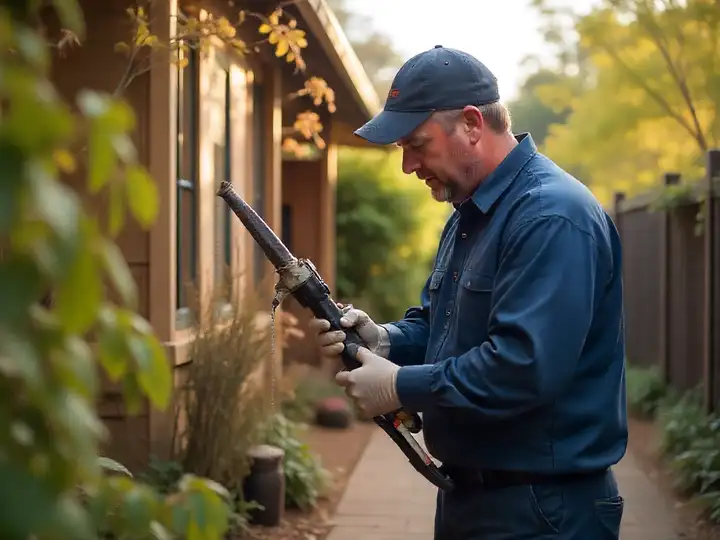
We inspect the roof void and eaves, set snap traps along the joists and seal the roof returns and gaps around the downpipes with copper mesh and mortar. Noise stops within three nights, and the sealed roof returns keep the next group out through the following winter.
Same-day attendance, lockable bait stations placed along the back wall and store room, and a written service report covering treatment and monitoring schedule. The inspection passes with the documentation in order, and the station schedule keeps the premises compliant ongoing.
Thermal imaging locates the carcass, we remove it through a small access point, treat the cavity and check for further activity in the subfloor. The odour clears within two days and the subfloor inspection confirms no active infestation remains.
We use live catch traps and secured bait stations rather than loose rodenticide, remove and treat contaminated material, and seal the entry point behind the kitchen cabinetry. The pantry is usable again within a week, with no chemical risk to the children or the family dog.
A family in Hawthorn had heard scratching above the main bedroom for three weeks and found droppings on top of the ceiling insulation. The roof void had multiple runs and two entry points around the eaves, with gnaw marks on ducting.
We set snap traps along the joists, removed the contaminated insulation batts and sealed both entry points with copper mesh and mortar. Noise stopped within three nights, and the follow-up visit confirmed no fresh droppings or activity.
Maintenance: Check the roof void once a year before winter and keep the eaves clear of overhanging branches. If you hear scratching again, book an inspection early rather than waiting.
A cafe in Cremorne had rodent activity along the back wall and store room and a council food safety inspection booked within the week. There was no existing monitoring documentation in place.
We attended the same day, installed six lockable bait stations along the runs, cleared droppings and provided a written service report with a monitoring schedule. The inspection passed and the station map is now part of the premises records.
Maintenance: Keep the stations on a monthly service schedule and log every check. Sealing the gap behind the rear shelving stopped activity returning through the same route.
A homeowner in Glen Iris noticed a strong smell in the hallway and flies gathering near a power point. The carcass was inside the wall cavity and could not be located by tapping the plaster.
Thermal imaging pinpointed the carcass within ten minutes. We removed it through a small access point, treated the cavity and sealed the subfloor vents where the rats had been entering. The odour cleared within 48 hours.
Maintenance: Keep subfloor vents sealed and check the garage and garden for new gaps each spring. A short inspection before winter catches new activity before it becomes an infestation.
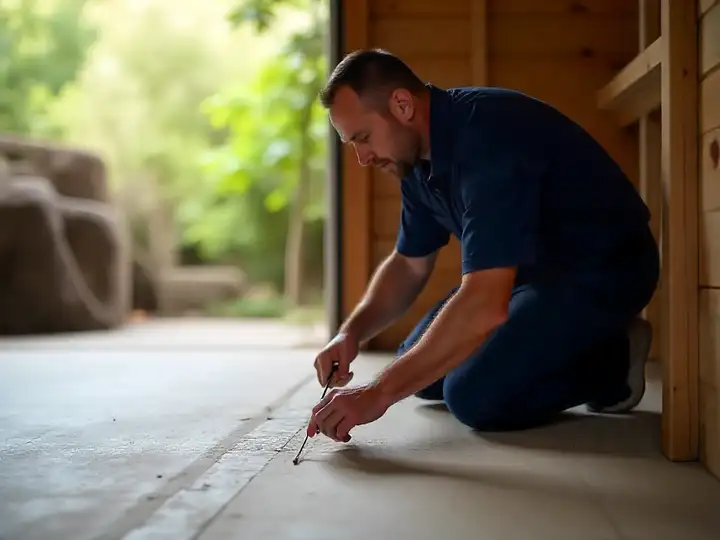
Our technicians hold licensed pest control technician registration and chemical handling certificates, and work under Work Health and Safety (WHS) compliance on every site. We follow Integrated Pest Management (IPM) principles, which means inspection and proofing first, chemicals second and only where they are needed. We work with products from Bayer, Bell Laboratories, Contrac, Ditrac, Fastrac and JT Eaton, and every rodenticide we use is Australian Pesticides and Veterinary Medicines Authority (APVMA) approved. Roof void work, wall cavity work and subfloor access are routine for us, and we carry the inspection mirrors, thermal imaging cameras and sealant guns to do it properly in one visit.
Pricing depends on access, the number of entry points and whether droppings cleanup is needed. We quote a fixed price after the inspection, so you know the number before any work starts.
Rat extermination in Melbourne usually takes two to four hours on site for the first visit, then a follow-up seven to fourteen days later. Trapping results typically show within 48 to 72 hours, and activity drops noticeably inside a week. Heavier infestations in roof voids or wall cavities may need a second treatment round. We tell you the expected timeline at the quote stage so you can plan around it.
If you have found rat droppings, heard scratching in the ceiling at night, or seen gnawed wiring, professional rat removal in Melbourne is worth booking. Store-bought bait rarely solves the underlying problem because it does not address entry points or nesting sites. A technician can identify the species, find the runs and seal the building. It also keeps rodenticide away from pets and children, which matters in households with young kids.
Yes. We use live catch traps and snap traps where a humane outcome is the priority, and we check them on a fixed schedule so animals are not left in them. For larger infestations we use lockable bait stations under an Integrated Pest Management plan. Tell us your preference when you book and we will build the treatment around it. Either way, proofing is included so the problem does not return.
Not seeing your question? Our local team can help you understand urgency, scheduling and what to expect.
Ask the local team
Mice often share the same roof void and wall cavities as rats, and they get through gaps the width of a pencil. If your inspection turns up both, we treat them together in one visit rather than charging you for two separate callouts.
View service
Roof voids are the most common rat harbourage in Melbourne homes. We inspect insulation, ducting and eaves, set traps along the runs, remove carcasses and seal the roof returns so activity stops rather than shifting to another part of the house.
View service
Rats in wall cavities are harder to reach and often only noticed by scratching or a dead rat smell. We use inspection mirrors and thermal imaging to pinpoint activity, then treat through access points without pulling your walls apart.
View service
Lockable bait stations hold APVMA approved rodenticide blocks safely away from pets, children and wildlife. We place them along known runs, record the locations and manage them on a scheduled service so the protection does not lapse.
View service
Send us the form and we will book you in, usually the same day for urgent rodent work.
Tell us what you are hearing or seeing and we will give you a straight answer on what the job involves and what it will cost. No obligation, no pressure.