01
Inspection first
Roof void, walls and subfloor checked to find how rodents are getting in.

Mice Control in Melbourne starts with a full inspection of your roof void, wall cavities and kitchen line, then a targeted baiting and trapping program built around how the mice are actually moving through your home. We treat Toorak terraces, Hawthorn weatherboards and South Yarra apartments the same way: find the run, cut it off, and seal the gap they came through. If you have heard scratching in the ceiling overnight, you are already a few weeks into an infestation.
Roof void, walls and subfloor checked to find how rodents are getting in.
You see what we found and the plan before any work starts.
Gaps proofed with steel mesh and sealant, not just bait.
Lockable, tamper-resistant stations placed with kids and pets in mind.
Mice Control in Melbourne is a licensed rodent management service that locates active mouse runs, removes the population with bait stations and snap traps, then seals the entry points so the problem does not return. A proper job covers the roof void, subfloor, wall cavities, kitchen kickboards and garage. We use APVMA-approved rodenticide bait blocks in locked stations, tracking powder to confirm which runs are live, and inspection mirrors to check cavities we cannot see into. One house mouse can produce 30 to 60 offspring a year, so a small scratching noise in November becomes a full ceiling infestation by February.
Melbourne's older housing stock is the reason mice get in so easily here. Weatherboard homes in Kew and Balwyn have gaps at the eaves and around plumbing penetrations that a mouse can squeeze through at 7mm wide. Period terraces in East Melbourne and Cremorne have shared wall cavities that let rodents move between properties. Cold, wet winters push them indoors, and a warm spring breeding cycle means most calls land between March and September. If you are searching for mouse removal near me in Melbourne, the first thing we do is work out whether you are dealing with a fresh entry or a long-running colony.

We ask where you are hearing noise, when you hear it, and whether you have seen droppings. That tells us whether it is roof, wall or subfloor activity before we arrive. Most Melbourne bookings are same-day or next-day, and we confirm a two-hour arrival window rather than a vague morning or afternoon slot.
On site we check the roof void, wall cavities, subfloor, garage, kitchen and laundry. We use inspection mirrors and thermal imaging cameras to trace runs through insulated ceilings where you cannot see movement. This takes 30 to 45 minutes on a standard home and tells us how far the infestation has spread.
We place locked bait stations along confirmed runs and set snap traps in areas where bait is not suitable, such as near food storage. Rodenticide bait blocks are secured inside the stations so nothing is loose in your home. Stations are numbered and mapped so we know exactly what was set and where.
Once the activity is mapped, we seal the gaps. Steel wool and copper mesh go into smaller openings, expanding foam fills irregular cavities, and cement mortar handles larger gaps in brickwork and foundations. This is the step that stops the next colony moving in behind the one we just removed.
We return 10 to 14 days later to check station consumption, remove carcasses, and confirm activity has stopped. If bait take is still high, we extend the program at no extra call-out. You get a written summary of what was found, what was sealed, and what to watch for.

Tamper-resistant housings that hold rodenticide bait blocks securely along confirmed runs. They keep bait away from children and pets while letting us measure exactly how much is being consumed between visits.
Used where bait is unsuitable, such as near food storage or in homes with pets that cannot be relocated. Live catch traps suit situations where the customer wants the rodent removed without a carcass in the wall.
Trace movement through insulated ceilings and wall cavities where you cannot see activity directly. They cut inspection time significantly on double-brick homes where cavities run the full height of the building.
Let us check behind appliances, under subfloors and inside cavities without pulling the building apart. Essential for confirming whether a run is active or old before we commit to a treatment plan.
Confirms which runs are live. Applied in roof voids and subfloors, it shows footprints that tell us the direction of travel and whether the activity is ongoing or has already stopped.
The proofing materials that stop the next infestation. Steel wool and copper mesh handle small gaps, expanding foam fills irregular cavities, and cement mortar seals larger openings in brickwork and foundations.
The active treatment, secured inside locked stations. All products we use are approved by the Australian Pesticides and Veterinary Medicines Authority for use in and around occupied homes.
We treat the cause, not just the symptom. That means inspection first, proofing alongside baiting, and monitoring after treatment rather than a single visit and a promise. IPM is why our jobs hold longer than a bait-only treatment.
Every station is numbered and recorded on a site map. On the follow-up visit we know exactly which stations were hit and how hard, which tells us whether the population is declining or whether we are dealing with a reinfestation from next door.
Steel wool and copper mesh for gaps under 20mm, expanding foam for irregular cavities around pipes, and cement mortar for larger openings in brickwork. A mouse needs only 7mm of clearance, so we work to that standard rather than sealing only the obvious holes.
Confined space checks before anyone enters a subfloor or roof void, correct PPE, and safe chemical handling throughout. Our technicians hold chemical handling certificates and work to WHS requirements on every site, residential or commercial.
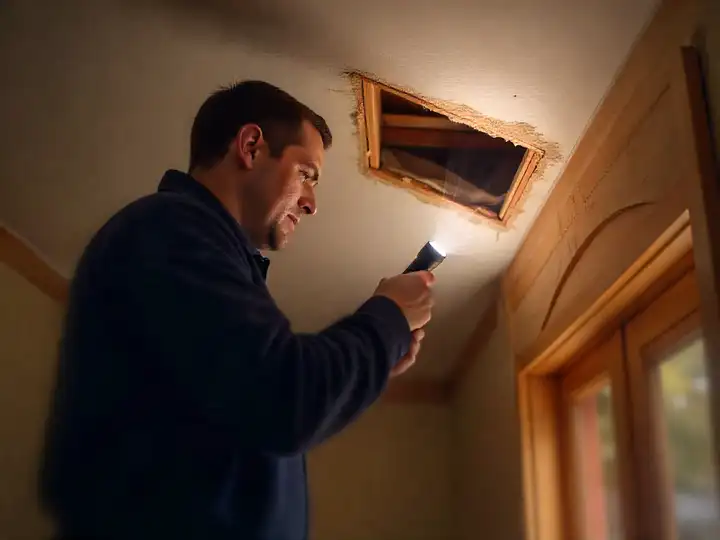
We inspected the roof void, found a run along the ceiling joists, and traced the entry to gaps at the eaves and a plumbing penetration above the bathroom. Bait stations went in along the run, and both gaps were packed with copper mesh and sealed with mortar. Activity stopped within 12 days. The follow-up visit confirmed zero bait take, and the sealed eaves have held through the following winter.
We treated the unit, sealed the penetration behind the kitchen cabinetry, and provided a written report the owner could pass to the body corporate so neighbouring units could be treated at the same time. No activity in the unit since treatment. The body corporate booked the remaining floors on a scheduled program.
We baited behind the kickboards and along the kitchen line, set snap traps near the food storage, and sealed two gaps where the shared wall cavity met the floorboards. Droppings were removed and the affected surfaces treated. Pantry clear within a fortnight. The shared cavity was sealed on our side, which cut off the route the mice were using from the neighbouring property.
We ran a pre-departure treatment, sealed the visible entry points around the garage and laundry, and left monitored bait stations in the roof void and subfloor for the period the house was empty. No activity on return. The stations were checked at the follow-up visit and left in place for ongoing monitoring through the following season.
The owner had heard scratching above the bedroom for close to a month and assumed it was possums. Inspection found a heavy mouse run along the ceiling joists, shredded insulation across a six-metre stretch, and two open gaps at the eaves where the mice were entering.
Bait stations were set along the run and both eaves gaps were packed with copper mesh and sealed with mortar. Bait take dropped to zero by the 12-day follow-up, and the insulation damage was documented for the owner's records.
Maintenance: Stations were left in the roof void for ongoing monitoring. We recommend a check each autumn before the cold pushes the next colony indoors.
Droppings were found in three kitchen drawers and behind the kickboards. The owner had discarded a full pantry of dry goods and was still seeing activity nightly. The entry point was a plumbing penetration under the sink that had never been sealed.
We baited behind the kickboards and along the kitchen line, set snap traps near the food storage, and sealed the under-sink penetration with steel wool and expanding foam. Droppings were removed and surfaces treated. Activity stopped within nine days.
Maintenance: The sealed penetration has held. We advised checking under-sink cabinetry once a year, since plumbing work often reopens these gaps.
The owner had trapped four mice over two months with supermarket traps and was still seeing droppings in the laundry. The activity was coming through a shared riser connecting to the neighbouring unit, which meant treating one side alone was never going to work.
We treated the unit, sealed the riser penetration behind the cabinetry, and provided a written report for the body corporate. The neighbouring unit was treated the following week. No activity has been recorded in either unit since.
Maintenance: The body corporate placed the building on a scheduled monitoring program, with stations checked quarterly across the affected floors.
The price depends on the size of the property, how many entry points need sealing, and whether a follow-up visit is required. We give you the figure before we start, not after.
The clearest signs are scratching in the ceiling or walls at night, dark droppings along skirting boards and behind appliances, and a musky ammonia smell in enclosed spaces. Gnaw marks on food packaging and shredded insulation in the roof void are also common. If you find droppings in a kitchen drawer, the activity has usually been running for several weeks.
Yes, when it is done properly. We use locked bait stations that pets and children cannot open, and we place them behind appliances, in roof voids and along wall lines rather than in open floor areas. Snap traps are set in locations your pets cannot reach. Tell us in your request if you have dogs, cats or birds, and we adjust the placement accordingly.
A completed treatment with proofing typically holds for 12 months or more, provided the entry points stay sealed. Bait stations left in place continue working through the following winter. Without proofing, reinfestation from a neighbouring property can happen within weeks, particularly in terraces and apartment buildings with shared cavities.
Not seeing your question? Our local team can help you understand urgency, scheduling and what to expect.
Ask the local team
Rats and mice often share the same roof void and subfloor runs. If the droppings you are finding are larger than a grain of rice, you likely have rats rather than mice, and the treatment changes. We identify the species on site before setting anything.
View service
Scratching and thumping in the ceiling is often a rat problem rather than a mouse one. We inspect the roof void, identify the entry points at the eaves and fascia, and treat the run before sealing it off so the activity does not simply shift to another part of the house.
View service
Wall cavity activity is difficult to treat from the outside. We use inspection mirrors and thermal imaging to trace the run, then bait and trap through access points in the wall lining. Common in Melbourne's double-brick homes where cavities run the full height of the building.
View service
Locked, tamper-resistant stations are the backbone of any safe rodent program. We supply, install and monitor them, and can set up a scheduled servicing arrangement for restaurants, warehouses and apartment buildings where ongoing control is required rather than a one-off treatment.
View service
Send us the form and we will book you in, usually the same day for urgent rodent work.
Tell us what you are hearing or seeing and we will give you a straight answer on what the job involves and what it will cost. No obligation, no pressure.